Logistics Love: Up Your Customer Service Game
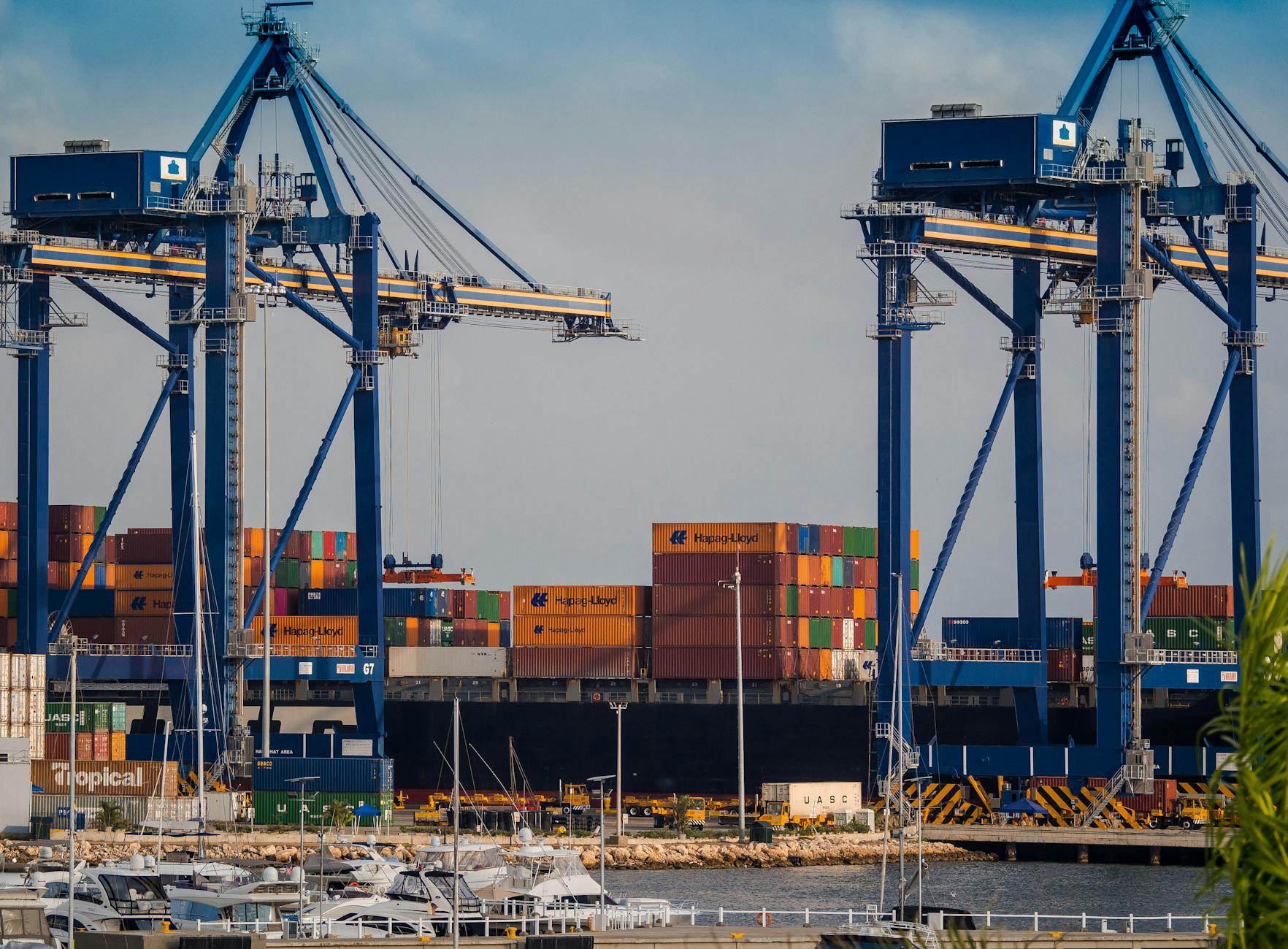
In the fast-paced realm of shipping and delivery, customer service often becomes the heartbeat of a successful logistics operation. From small businesses to large enterprises, customer satisfaction can elevate a company from being a mere provider to a trusted partner in the eyes of its clients. Today, we're diving into the art of logistics customer service and exploring key strategies to charm your customers and reinforce their loyalty to your brand.
Understanding the Role of Customer Service in Logistics
Customer service in logistics involves more than just responding to inquiries and resolving complaints; it's an ongoing process that impacts almost every stage of the supply chain. Whether it’s ensuring timely deliveries, providing precise tracking updates, or offering flexible shipping options, customer service is integral to the customer experience.
The Impact of Stellar Customer Service
- Increased Loyalty: Excellent customer service leads to repeat business, as customers are more likely to stick with a logistics provider they trust.
- Positive Word-of-mouth: Satisfied customers become brand ambassadors, spreading the word about their great experiences.
- Competitive Advantage: Outstanding customer service can set a logistics company apart from competitors in a crowded market.
- Reduced Costs: Proactively addressing customer needs can reduce the frequency of issues and returns, translating into lower operational costs.
Key Strategies for Logistics Customer Service Excellence
Enhancing your customer service game in logistics involves multiple strategic steps. Below are actionable strategies to help you unlock the secrets of top-notch customer service:
1. Invest in Technology
Implement Tracking Systems: Give your customers peace of mind with real-time tracking capabilities that provide visibility into their shipments’ journey.
- Advanced Tracking Interfaces: Develop intuitive platforms where customers can easily access their shipment information.
- Automated Notifications: Keep customers informed with automatic updates at key stages of the delivery process.
2. Embrace Omni-Channel Support
Offer your customers the flexibility to reach out to you through various channels, such as phone, email, live chat, social media, and even through a dedicated app.
- Consistency Across Channels: Ensure that the quality of service is consistent, whether the customer contacts you via Twitter or through a traditional call center.
- Integrated Customer Profiles: Create unified profiles so that the customer doesn't have to repeat their issue when switching between channels.
3. Empower Your Team
Your customer service representatives are the front line of your customer interactions. Provide them with the training and resources they need to solve problems effectively and efficiently.
- In-depth Training: Regularly train your staff on best practices in handling logistics-specific queries and complaints.
- Empathy Development: Role-playing and empathy exercises can prepare your team to handle even the most challenging customer interactions.
4. Proactive Problem Solving
Anticipate issues before they happen. By analyzing patterns in customer feedback and shipment histories, you can identify potential problems and address them before they impact the customer.
- Predictive Analytics: Use data to foresee and mitigate hiccups in the supply chain that might affect customer satisfaction.
- Preventive Communication: Inform customers of potential delays or issues proactively to manage expectations and maintain trust.
5. Personalize the Experience
In a world of automated responses and generic service, adding a personal touch can leave a lasting impression.
- Tailored Solutions: Offer flexible solutions that cater to individual customer needs, such as special delivery options or customized reporting.
- Human Connection: Encourage your team to build rapport with clients, remembering customer preferences and history for a personalized service experience.
6. Solicit and Act on Feedback
Customer feedback is invaluable. Create channels for customers to provide their thoughts and ensure you take action on their input to improve your services.
- Feedback Mechanisms: Utilize surveys, comment boxes, and follow-up calls to gather opinions and suggestions from your clientele.
- Continuous Improvement: Incorporate feedback into your business processes, demonstrating to customers that their voices are heard and valued.
Conclusion
Delighting customers with exceptional customer service in the logistics industry can be the key differentiator in a competitive landscape. By investing in technology, embracing multi-channel support, empowering your team, solving problems proactively, personalizing the customer experience, and valoring feedback, you can foster a loyal customer base that will propel your business forward.
Remember, when it comes to logistics, it's not just about delivering packages—it's about delivering happiness. So, take these strategies to heart, apply them diligently, and watch as your customer service game reaches new heights.